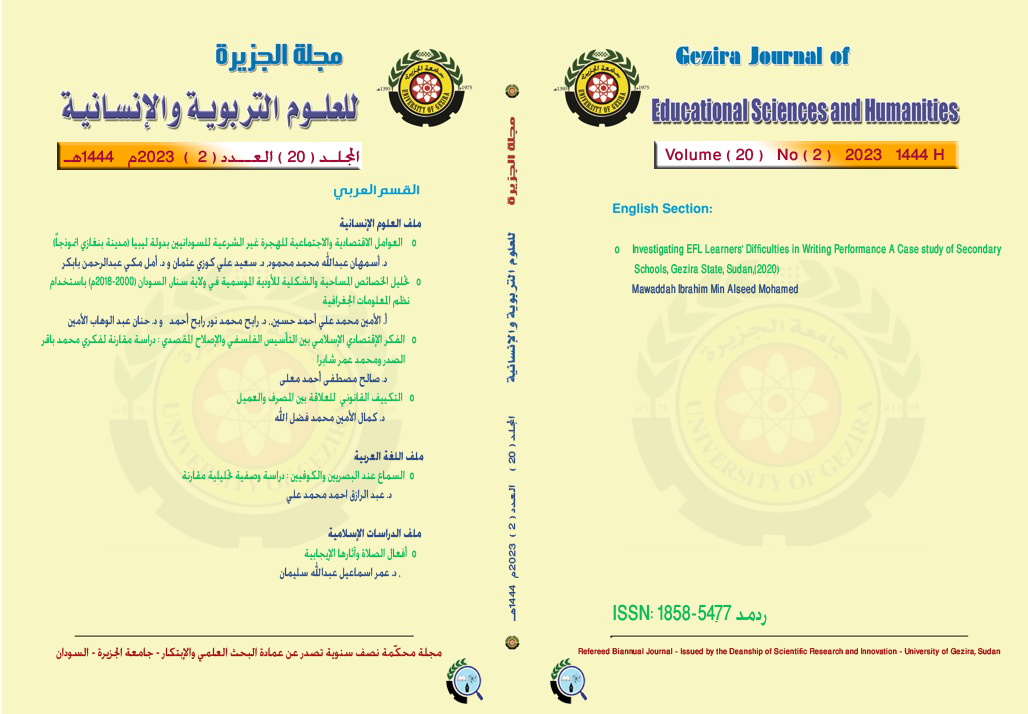
الفكر الاقتصادي الإسلامي بين التأسيس الفلسفي والإصلاح المقاصدي: دراسة مقارنة لفِكْرَيْ محمد باقر الصدر ومحمد عمر شابرا
Abstract
تهدف هذه الدراسة إلى تحليل الفكر الاقتصادي عند محمد باقر الصدر ومحمد عمر شابرا من خلال مقاربة مقارنة تنطلق من قراءة شاملة لمشروعَيِهما الفكريين بوصفهما نسقين حضاريين متكاملين، لا مجرد إسهامات اقتصادية جزئية. وتنطلق الدراسة من فرضية مفادها أن الاختلاف بين الصدر وشابرا لا يقتصر على مستوى المعالجة أو الأدوات، بل يمتد إلى المنطلقات الفكرية الكلية التي تحكم بناء النظرية الاقتصادية نفسها. وتعتمد الدراسة منهجاً تحليلياً–تركيبياً–مقارناً، يبدأ بتفكيك المفاهيم المؤسسة لكل مشروع، وفي مقدمتها الفلسفة عند الصدر ورؤية العالم الإسلامية عند شابرا، ثم ينتقل إلى تحليل موقف كل منهما من الندرة والمشكلة الاقتصادية، ومفهوم الإنسان والسلوك الاقتصادي، ودور الدولة والسوق، والعدالة والتنمية، وآليات الانتقال من النظرية إلى التطبيق. وتبيّن الدراسة أن محمد باقر الصدر ينطلق من أساس فلسفي تأسيسي يعيد تعريف المشكلة الاقتصادية من جذورها، رافضاً اختزالها في الندرة، ومؤكداً أن جوهرها يكمن في الظلم الاجتماعي وسوء التوزيع. في المقابل، يعتمد محمد عمر شابرا رؤية عالم إسلامية توجيهية تسعى إلى إعادة تأطير الندرة ضمن إطار أخلاقي ومقاصدي، يهدف إلى إصلاح علم الاقتصاد الحديث من الداخل عبر ترشيد السلوك وبناء المؤسسات والسياسات العادلة. وتخلص الدراسة إلى أن المشروعين، رغم اختلاف منطلقاتهما ومساراتهما، يلتقيان في الغاية الحضارية المتمثلة في إعادة وصل الاقتصاد بالقيم وتحقيق العدالة والكرامة الإنسانية، كما تبرز إمكانات تكامل معرفي وتطبيقي بين العمق التأسيسي عند الصدر والقدرة الإصلاحية السياساتية عند شابرا، بما يسهم في تطوير الفكر الاقتصادي الإسلامي المعاصر.
This study examines the economic thought of Muhammad Baqir al-Sadr and Muhammad Umar Chapra through a comparative approach that treats their works as two integrated civilizational projects rather than isolated economic contributions. It is based on the premise that the differences between the two thinkers extend beyond methods and policy tools to the foundational intellectual premises that shape economic theory itself. Using an analytical, synthetic, and comparative methodology, the study begins by exploring the core concepts underpinning each project, particularly philosophy in al-Sadr’s thought and the Islamic worldview in Chapra’s framework. It then analyzes their respective positions on scarcity and the economic problem, human nature and economic behavior, the role of the state and the market, justice and development, and the pathways from theory to practice. The study shows that al-Sadr adopts a foundational philosophical approach that redefines the economic problem by rejecting scarcity as its central premise and emphasizing injustice and flawed distribution as its true core. In contrast, Chapra employs an Islamic worldview to reframe scarcity within an ethical and maqāṣid-based framework aimed at reforming modern economics from within through behavioral discipline, institutional reform, and just public policies. The study concludes that despite their different starting points and trajectories, both projects converge on a shared civilization al goal: reconnecting economics with moral values and human dignity. It also highlights the potential for intellectual and practical integration between al-Sadr’s foundational depth and Chapra’s policy-oriented reformism in advancing contemporary Islamic economic thought.
References
- الصدر، محمد باقر (1980) فلسفتنا. بيروت: دار التعارف للمطبوعات.
- الصدر، محمد باقر (1981) البنك اللاربوي في الإسلام. بيروت: دار التعارف للمطبوعات.
- الصدر، محمد باقر (1982) اقتصادنا. بيروت: دار التعارف للمطبوعات.
- الصدر، محمد باقر (1986) الأسس المنطقية للاستقراء. قم: دار الزهراء.
ثانياً: المراجع الإنجليزية:
- Blaug, M. (1997) Economic Theory in Retrospect. Cambridge: Cambridge University Press.
- Caldwell, B. (2004) Hayek’s Challenge: An Intellectual Biography of F. A. Hayek. Chicago: University of Chicago Press.
- Chapra, M.U. (1985) Towards a Just Monetary System. Leicester: The Islamic Foundation.
- Chapra, M.U. (1992) Islam and the Economic Challenge. Leicester: The Islamic Foundation.
- Chapra, M.U. (2000) The Future of Economics: An Islamic Perspective. Leicester: The Islamic Foundation.
- Chapra, M.U. (2008) The Islamic Vision of Development in the Light of Maqasid al-Shariah. Jeddah: Islamic Research and Training Institute (IRTI).
- Haneef, M.A. (2011) Contemporary Islamic Economic Thought. Kuala Lumpur: IIUM Press.
- Kahf, M. (1999) Islamic Economics: What Went Wrong? Jeddah: IRTI.
- North, D.C. (1990) Institutions, Institutional Change and Economic Performance. Cambridge: Cambridge University Press.
- Sen, A. (1987) On Ethics and Economics. Oxford: Blackwell.
- Siddiqi, M.N. (1981) Muslim Economic Thinking. Leicester: The Islamic Foundation.
- Siddiqi, M.N. (2004) Riba, Bank Interest and the Rationale of Its Prohibition. Jeddah: IRTI.
- Siddiqi, M.N. (2008) ‘Methodology of Islamic Economics’, Journal of Islamic Economics, 1(1), pp. 1–15.
- Zaman, A. (2012) ‘Crisis in Islamic Economics: Diagnosis and Prescriptions’, Journal of Islamic Economics, Banking and Finance, 8(3), pp. 9–22.